
Active Move Joint Health NL
Joint health plays a major role in maintaining an active and comfortable lifestyle. Whether you are a fitness enthusiast, an office worker, or a senior looking for improved mobility, healthy joints are essential for everyday movement. From walking and climbing stairs to exercising and lifting objects, joints support nearly every activity the body performs.
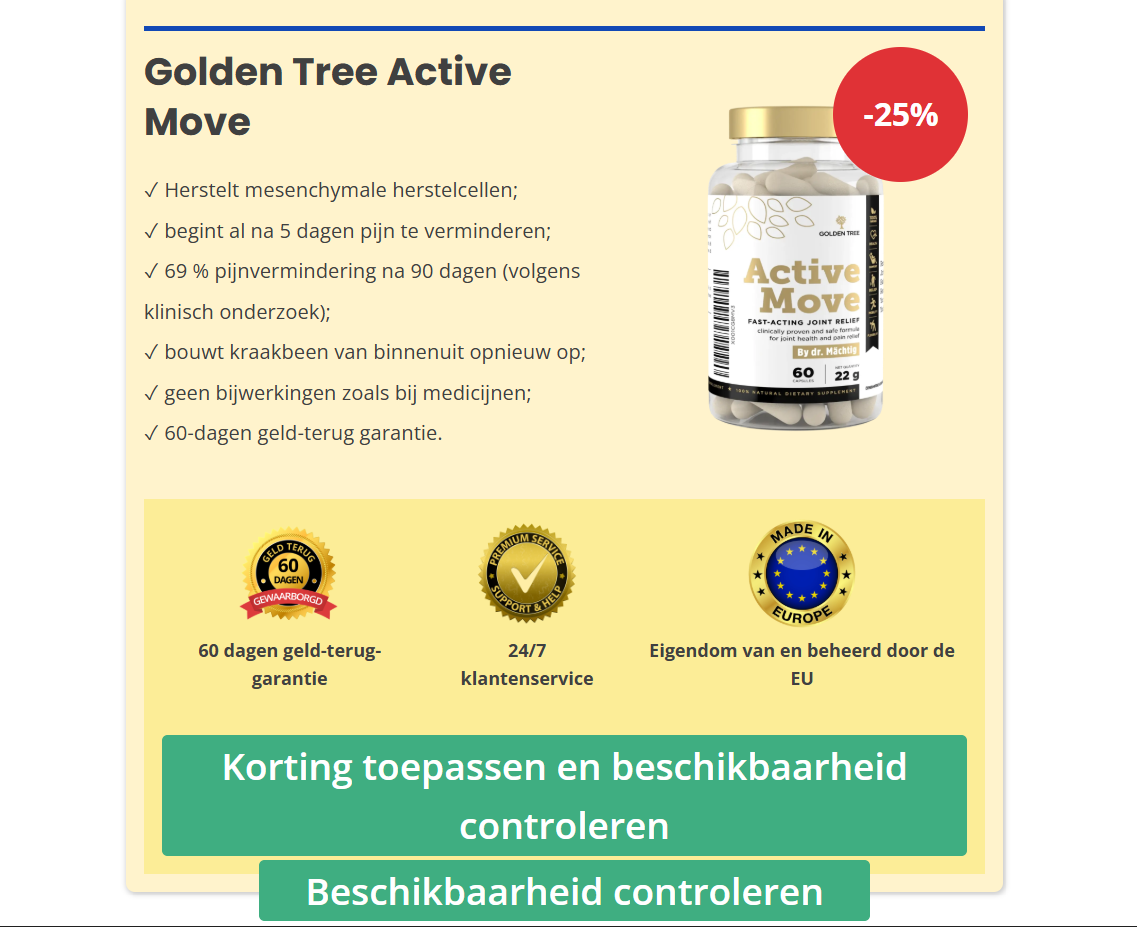

In recent years, people across the Netherlands and other countries have become more aware of the importance of joint care. As a result, products and wellness solutions focused on mobility support have gained popularity. One such topic that continues to attract attention is Active Move Joint Health NL. Many individuals search for reliable information about joint health, mobility improvement, flexibility support, and natural ways to maintain healthy movement.
This detailed guide explores everything you need to know about Active Move Joint Health NL, including the importance of joint wellness, common causes of joint discomfort, natural lifestyle habits, nutritional support, and practical daily tips. In addition, this SEO-optimized article is designed to provide valuable information while remaining easy to read and search-engine friendly.
Understanding Joint Health
Before discussing Active Move Joint Health NL in detail, it is important to understand how joints function. Joints are the areas where two or more bones connect. They help the body move smoothly and support flexibility, balance, and stability.
There are several types of joints in the human body, including:
- Knee joints
- Hip joints
- Shoulder joints
- Elbow joints
- Wrist joints
- Ankle joints
Healthy joints contain cartilage, synovial fluid, ligaments, and tendons. Together, these components allow smooth and pain-free movement. However, over time, aging, poor lifestyle habits, injuries, and lack of exercise may affect joint function.
Consequently, many individuals experience stiffness, discomfort, reduced mobility, or inflammation. Therefore, maintaining proper joint care becomes increasingly important as people age.
Why Joint Health Matters
Good joint health supports overall quality of life. When joints function properly, people can move comfortably and stay physically active. Moreover, healthy joints help improve posture, balance, and muscle coordination.
On the other hand, poor joint health can negatively affect daily routines. Even simple tasks such as walking, bending, or standing for long periods may become difficult.
Improved Mobility
Healthy joints help maintain freedom of movement. As a result, individuals can continue participating in sports, exercise, travel, and recreational activities.
Better Physical Performance
Athletes and active individuals rely heavily on strong joints. Therefore, supporting joint wellness can improve flexibility and physical endurance.
Enhanced Comfort
Joint support may help reduce stiffness and discomfort, especially after physical activity or prolonged sitting.
Healthy Aging
As the body ages, joints naturally experience wear and tear. Nevertheless, proper nutrition and movement habits may support long-term joint comfort.
Common Causes of Joint Problems
Many factors can contribute to joint discomfort or mobility challenges. Understanding these causes can help individuals make healthier choices.
Aging
Aging is one of the most common reasons for joint stiffness. Over time, cartilage may gradually wear down, affecting flexibility.
Lack of Exercise
Physical inactivity weakens muscles around the joints. Consequently, joints may become less stable and more prone to discomfort.
Excess Weight
Extra body weight places additional pressure on joints, especially the knees and hips. Therefore, maintaining a healthy weight can support joint wellness.
Injuries
Sports injuries, accidents, or repetitive movements may damage ligaments and cartilage.
Poor Nutrition
A diet lacking essential nutrients may affect bone and joint support.
Stress and Inflammation
Chronic stress and inflammatory lifestyle habits can contribute to stiffness and reduced mobility.
What Is Active Move Joint Health NL?
Active Move Joint Health NL is a growing topic associated with joint wellness support, flexibility improvement, and healthy movement habits. Many people search for information related to joint mobility solutions, nutritional support, and lifestyle practices that may contribute to long-term comfort.
Additionally, Active Move Joint Health NL is often linked with individuals looking for natural support for active living. Whether someone wants to stay mobile during aging or maintain flexibility during exercise, proper joint care remains essential.
Furthermore, interest in mobility-focused wellness continues to rise because more people now prioritize preventive health strategies instead of waiting for discomfort to become severe.
Signs Your Joints Need Extra Support
Many individuals ignore early signs of joint strain. However, paying attention to these symptoms can help prevent long-term issues.
Common signs include:
- Morning stiffness
- Reduced flexibility
- Difficulty climbing stairs
- Joint clicking sounds
- Swelling around joints
- Muscle tightness
- Discomfort after exercise
- Limited range of motion
If these symptoms continue for a long time, seeking professional medical advice is recommended.
Best Nutrients for Joint Health
Nutrition plays a major role in maintaining healthy joints. Therefore, many wellness experts recommend including joint-supporting nutrients in daily meals.
Collagen
Collagen is a protein found in cartilage, skin, and connective tissues. It supports joint structure and flexibility.
Glucosamine
Glucosamine is commonly associated with cartilage support. Many people use it as part of their joint wellness routine.
Chondroitin
Chondroitin may help maintain cartilage hydration and flexibility.
Omega-3 Fatty Acids
Omega-3 fats found in fish, flaxseed, and walnuts support overall wellness and may help maintain joint comfort.
Vitamin D
Vitamin D supports bone health and muscle function.
Calcium
Calcium is essential for maintaining strong bones and skeletal support.
Turmeric
Turmeric contains curcumin, a natural compound associated with antioxidant support.
Magnesium
Magnesium supports muscle relaxation and physical recovery.
Foods That Support Healthy Joints
A healthy diet can contribute significantly to mobility and flexibility.
Fatty Fish
Salmon, sardines, and mackerel contain omega-3 fatty acids.
Leafy Greens
Spinach and kale provide vitamins, minerals, and antioxidants.
Berries
Blueberries and strawberries contain natural antioxidants.
Nuts and Seeds
Almonds, chia seeds, and walnuts support overall wellness.
Olive Oil
Olive oil is commonly included in anti-inflammatory diets.
Citrus Fruits
Oranges and lemons contain vitamin C, which supports collagen production.
Bone Broth
Bone broth naturally contains collagen and amino acids.
Lifestyle Tips for Better Joint Health
Maintaining healthy joints requires consistent daily habits. Fortunately, simple lifestyle changes can make a big difference.
Stay Physically Active
Regular movement helps strengthen muscles and improve flexibility. However, avoid excessive strain.
Stretch Daily
Stretching improves mobility and reduces stiffness.
Maintain Healthy Weight
Weight management helps reduce pressure on major joints.
Drink Enough Water
Hydration supports cartilage and overall body function.
Improve Posture
Good posture reduces unnecessary stress on joints.
Get Enough Sleep
Quality sleep supports muscle recovery and physical restoration.
Reduce Stress
Stress management techniques such as meditation and breathing exercises may support overall wellness.
Best Exercises for Joint Support
Exercise is one of the most effective ways to maintain healthy joints. Nevertheless, choosing low-impact activities is important.
Walking
Walking improves circulation and supports flexibility.
Swimming
Swimming reduces joint pressure while strengthening muscles.
Cycling
Cycling supports cardiovascular health and lower-body movement.
Yoga
Yoga improves balance, flexibility, and posture.
Pilates
Pilates strengthens core muscles and supports alignment.
Strength Training
Light resistance exercises help protect joints by building muscle support.
The Role of Flexibility in Joint Health
Flexibility helps joints move through their full range of motion. Therefore, individuals with better flexibility often experience smoother movement.
In contrast, stiff muscles can place additional strain on joints. Consequently, flexibility exercises should become part of a regular routine.
Benefits of flexibility include:
- Improved balance
- Better posture
- Reduced injury risk
- Easier movement
- Enhanced athletic performance
Joint Health and Aging
Aging affects everyone differently. However, proactive lifestyle habits may support mobility and comfort over time.
Many older adults experience reduced cartilage thickness and lower muscle strength. Nevertheless, staying active and maintaining proper nutrition can support independence and quality of life.
Additionally, seniors who engage in regular movement often report improved balance and confidence.
How Office Workers Can Protect Their Joints
Modern office lifestyles may contribute to stiffness and poor posture. Sitting for long hours can affect the neck, shoulders, hips, and knees.
Fortunately, there are several ways office workers can support joint health.
Take Movement Breaks
Stand up and stretch every hour.
Use Ergonomic Furniture
Proper desk and chair alignment supports posture.
Adjust Screen Height
Keeping screens at eye level reduces neck strain.
Stretch Wrists and Shoulders
Frequent stretching helps maintain flexibility.
Joint Health for Athletes
Athletes place high demands on their joints. Therefore, recovery and proper training techniques are extremely important.
Key strategies include:
- Warm up before workouts
- Cool down after exercise
- Avoid overtraining
- Wear proper footwear
- Use proper form during exercise
- Stay hydrated
- Support recovery with balanced nutrition
The Importance of Recovery
Recovery is often overlooked in fitness routines. However, muscles and joints require time to repair after physical activity.
Effective recovery methods include:
- Stretching
- Foam rolling
- Massage therapy
- Proper sleep
- Hydration
- Balanced nutrition
Furthermore, overtraining without adequate recovery may increase the risk of discomfort and injuries.
Natural Approaches to Joint Wellness
Many people now prefer natural wellness practices for mobility support.
Popular approaches include:
Herbal Support
Certain herbs are traditionally used in wellness routines.
Heat Therapy
Warm compresses may help relax muscles.
Cold Therapy
Cold packs are commonly used after physical activity.
Massage Therapy
Massage supports relaxation and muscle recovery.
Mind-Body Practices
Meditation and mindfulness may reduce stress-related tension.
Daily Routine for Healthy Joints
Creating a healthy routine can support long-term mobility.
Morning
- Stretch gently
- Drink water
- Eat a nutritious breakfast
Afternoon
- Take movement breaks
- Stay hydrated
- Maintain proper posture
Evening
- Perform light stretching
- Relax muscles
- Get quality sleep
Consistency is essential for maintaining results.
Myths About Joint Health
There are many misconceptions surrounding mobility and joint wellness.
Myth 1: Exercise Is Bad for Joints
In reality, appropriate exercise often supports joint flexibility and muscle strength.
Myth 2: Joint Problems Only Affect Older Adults
Athletes and younger individuals may also experience joint strain.
Myth 3: Rest Is Always the Best Solution
While recovery matters, too much inactivity may worsen stiffness.
Myth 4: Cracking Joints Always Means Damage
Joint sounds are not always a sign of serious issues.
Mental Health and Physical Movement
Mental wellness and physical activity are closely connected. Exercise may help improve mood, reduce stress, and support energy levels.
Moreover, individuals who stay active often feel more motivated and confident in daily life.
Therefore, maintaining movement habits can benefit both physical and emotional wellness.
Choosing a Healthy Lifestyle for Long-Term Mobility
Long-term mobility requires a balanced lifestyle. Instead of relying on short-term solutions, individuals should focus on sustainable habits.
Key principles include:
- Regular exercise
- Balanced nutrition
- Proper hydration
- Stress management
- Adequate sleep
- Weight management
- Preventive healthcare
Small changes made consistently may lead to significant long-term benefits.
Importance of Preventive Joint Care
Preventive care helps reduce the likelihood of future mobility issues. Therefore, taking action early is always beneficial.
Examples of preventive strategies include:
- Maintaining flexibility
- Wearing supportive shoes
- Using proper lifting techniques
- Staying active daily
- Avoiding prolonged sitting
Additionally, regular wellness checkups can help identify potential concerns early.
Why People Search for Active Move Joint Health NL
Interest in Active Move Joint Health NL continues to grow because people want effective ways to support movement and flexibility.
Today, individuals are more health-conscious than ever before. Consequently, mobility support, active aging, and wellness routines have become important priorities.
Many people search for:
- Joint wellness tips
- Flexibility improvement methods
- Active lifestyle support
- Mobility solutions
- Healthy aging strategies
- Natural movement support
This growing interest reflects the increasing awareness of preventive wellness practices.
Healthy Habits That Support Active Living
Living actively does not require intense exercise every day. Instead, consistent movement and healthy choices often provide the best results.
Helpful habits include:
- Taking daily walks
- Stretching regularly
- Staying hydrated
- Choosing nutritious meals
- Reducing processed foods
- Maintaining healthy posture
- Practicing mindfulness
Additionally, surrounding yourself with positive habits may improve motivation and long-term consistency.
Future Trends in Joint Wellness
The future of mobility and wellness continues to evolve. More people now focus on preventive care and holistic health approaches.
Emerging trends include:
- Personalized nutrition
- Wearable fitness technology
- Recovery-focused fitness programs
- Holistic wellness routines
- Digital health tracking
- Functional movement training
As awareness increases, joint health education is likely to become even more popular worldwide.
Final Thoughts
Active Move Joint Health NL represents the growing interest in maintaining flexibility, movement, and overall mobility through healthy lifestyle habits. Healthy joints are essential for physical comfort, athletic performance, and long-term independence.
Fortunately, individuals can support joint wellness through regular exercise, balanced nutrition, hydration, stress management, and proper recovery practices. In addition, simple daily habits such as stretching, walking, and maintaining healthy posture may contribute to long-term mobility.
Whether you are young, active, aging, or simply looking to improve your wellness routine, focusing on joint health can positively impact your overall quality of life. Therefore, taking proactive steps today may help support better movement and flexibility in the future.
Ultimately, consistency is the key to maintaining strong and healthy joints. By adopting healthier routines and prioritizing movement, many individuals can continue enjoying active and comfortable lifestyles for years to come.
